There is a certain amount of paperwork involved with the 2026 cosmetic tattoo regulations in Australia, but at its core the rule is not hard to grasp: you are penetrating skin so infection-control is non-negotiable and you have to be registered with the appropriate state or local authority before you put a client in your chair.
Do not look for a national licence that will see every practitioner and premises across the country; there is none. With six states and two territories making up the eight principal jurisdictions, it is usually the local councils who are concerned with approvals, inspections and registering your premises. In this guide Connor Bellamy sets out the way things stand in each jurisdiction and where operators tend to make mistakes.
The National Starting Point
Put aside for a moment the procedure, your business premises and any personal training you have. A certificate might show you are competent but it is no substitute for the likes of planning approval, an infection-control duty or council registration. Your PMU studio launch expenses should also account for these requirements.
When it comes to implanting pigment in the skin, as with lip blush, eyeliner or eyebrow tattooing, the regulators will be looking at how you handle the fact the skin barrier has been breached. They want to see on sterile gear, single-use products, hand washing, disposal of sharps and proper waste management, all in the interest of the client’s safety.
Start With Your Council
Even if the state has laid down the law, the first port of call is generally the local council. Their demands on mobile services or home studios can vary from one region to another, as can the notification forms and layout they expect of you.
Make sure the council puts it in writing if they tell you what category your service falls under, be it skin penetration or some other regulated activity. A phone call is fine for a chat but when an inspector wants to put you on the spot you would rather have an approval record than recollections of a conversation.
| Jurisdiction | Main Practical Requirement | Where Operators Get Caught |
|---|---|---|
| New South Wales | Local council will be involved in infection-control and skin-penetration premises obligations | To think a beauty-business registration is enough for cosmetic tattooing |
| Victoria | Public health registration plus council oversight of prescribed accommodation and personal care | Getting ahead of oneself and opening before the council has had its say |
| Queensland | Licensure for personal appearance services and infection control, mostly via local government | Mistaking these for your average beauty treatment |
| Western Australia | Hygiene standards for skin penetration and registration with local government | Not looking into the particular local government area |
| South Australia | What the public health and council require of skin penetration work | Premises, waste and sharps arrangements left unconfirmed |
| Tasmania | Public health administers the rules for personal appearance and skin penetration | Relying on your training credentials without having the premises approved |
| Australian Capital Territory | Regulatory approval from the locality and health protection for the premises | Home-studio and building issues go unnoticed |
| Northern Territory | Public health has a say in personal appearance and skin penetration | The notion that being remote means compliance is less strict |
Consider this table a summary for your planning purposes, nothing more. For those in Queensland the official guidance on personal appearance services is the best place to begin for an understanding of the public-health side of things.
Complying in New South Wales
Here the rules for cosmetic tattooing are part of the wider skin-penetration picture. One is expected to have order in terms of record keeping, safe procedures, sterilisation and the like.
Councils are hands-on. Do not be taken in by an expensive paint job and a good shopfront and assume the studio is compliant; check if the premises is allowed to be a skin-penetration business and if you need building or planning approval before you put pen to paper on a lease.
Inspection Readiness
Your written procedure should detail the running of the room: from hand and glove hygiene to the opening of sterile packs and putting away of reusable equipment. Make manufacturer’s instructions for disinfectants and pigments to hand.
It is also well to have a plan for the odd needlestick, blood spill or complaint. And if you have another artist on staff, do not leave supervision and responsibilities to a group chat and hope for the best; put it on paper.
In Victoria
Local councils are key to the public-health framework governing prescribed accommodation and personal care. It may be necessary to register your cosmetic tattoo premises prior to opening and an officer will be along to judge the suitability of your set-up and the way you operate.
Take the time with the council to get the classification of your services right, the menu of treatments you offer is of consequence. Not all services are created equal when it comes to the obligations of waxing, facials, piercing or cosmetic tattooing. Introduce a new procedure and you would be wise to see if your risk controls or registration need to be amended.
Complete Your Treatment Records
There is more to record keeping than busywork. Proper records will put you in a position to give an accurate answer should a client ring up months down the track to enquire as to what has been put under their skin. They ought to cover the client and the treatment, the pigment or product, any consent given, aftercare and details of an adverse reaction or incident.
Artists in Victoria have other matters to think about: ventilation, separation of treatment rooms, washable surfaces and a hand-washing basin to hand. Make enquiries of the council prior to fitting out the room; re-locating plumbing post-inspection is a costly lesson in sink placement.
Queensland Licensing Duties
The state has a personal appearance services framework and local government for the most part oversees licensing of the premises. Cosmetic tattooing is viewed as higher risk than something that does not involve piercing the skin.
A word to the local council at the premises before you start trading. Find out what licence is called for, if an inspection is in order, what way the council wants to see evidence of competency and qualifications and if they allow home-based or mobile services.
Tropical Conditions in Queensland
Humidity and heat in Townsville, Cairns and elsewhere in the state are very real concerns for product control, storage and cleaning. Heed the manufacturer on handling and temperature, keep sterile packs dry and put some distance between used instruments and clean supplies on the treatment bench. Do not put them in the same place. And make time to do a proper clean between clients; a fifteen-minute interval on paper is no substitute for a cleaning system.
Western Australian Approval
For environmental-health oversight and registration of skin-penetration premises, Western Australia defers to local government. A studio from Perth relocating to a regional town would be mistaken to think the fit-out expectations, forms or inspection process are the same. Put in a call to the local government and get confirmation on the need for registration for cosmetic tattooing, what facilities the treatment room must have and how the council deals with clinical waste and sharps before you put an opening date in the advertising or commit to the premises.
Regional Logistics
Those operating in remote or regional areas want a supply plan that is workable. It can take its time for approved cleaning products, replacement cartridges or sterile consumables to show up. Be sensible with stock and check expiry dates. One does not make a single-use item do double duty because the next delivery is held up past the last decent mobile signal.
South Australia
Public-health requirements and the local council are how South Australia puts regulations on skin-penetration activities. Before you take on bookings, have the matter of premises registration, hygiene and waste disposal sorted and know what the council expects by way of qualifications and inspection.
Home studios in particular demand care. Public-health is only part of it; there may be planning, strata, building or residential-use issues to contend with. The fact the council has given the nod for a skin-penetration activity from home is not a carte blanche for every other permission.
Business Versus Treatment Risks
Insurance such as public liability and professional indemnity are sound risk controls but they will not legitimise an unlawful operation. See that the policy is specific to cosmetic tattooing and the like, including implanted pigments, touch-ups and allergic reactions from the declared premises.
Then there is the question of your ABN, tax and consumer-law duties and business structure. Unless you are so authorised, leave the medical claims alone. Telling a client “this will fix your skin condition” is not the sort of copy one puts in a beauty brochure; it is an invitation to trouble far worse than a crooked brow.
Tasmania
One would do well to run current public-health requirements for skin-penetration and personal appearance services past the health authority or council in Tasmania. The equipment and type of procedure will dictate the practical controls.
Do not let the size of the population in Tasmania lull you into thinking informal compliance is fine. Even a small studio has to have its procedures for consent, aftercare, incident reporting, sterile supplies and sharps disposal in order. People in a small town have good memories.
A Safety File You Can Rely On
Put together a file with copies of insurance, training certificates, correspondence with the council, sterilisation and cleaning records, safety data and product batch information, and where applicable, waste arrangements and equipment instructions. Have it in a secure place with access to client particulars limited.
When the time comes to launch, do a walk-through in the manner of a council officer. From the moment a client arrives through to hand washing, opening of products, disposal of sharps and removal of waste. Should you find the process awkward, put right the layout before the first booking is made.
Operators in the Northern and Australian Capital Territories
Operators in the Northern and Australian Capital Territories are subject to distinct public-health arrangements and will have to make sure they are up to date with what is required of their services and premises. The logistics may be a different matter in the compact urban environment of the ACT as opposed to the vast, remote communities of the Northern Territory, but when it comes to skin safety there is no difference.
There are particular demands on either side. In the Top End one has to contend with wet-season humidity for cleaning and storage, and those in more isolated areas might find waste or medical support hard to come by. An operator running a home studio in the ACT can expect some extra scrutiny over residential use and access.
Respect Remote-Service Constraints
If you are doing mobile work in the NT, put in place a documented incident plan and have the consumables and communication gear to hand so that single-use items do not have to be re-purposed. See that the service is permissible at your chosen spot and consider how clean equipment and sharps will be moved. For artists in Aboriginal communities, local access protocols must be observed and community-controlled services engaged with in the proper manner; a checklist from an urban studio will not do justice to the health, transport and cultural realities of the job out there.
A Practical Compliance Checklist
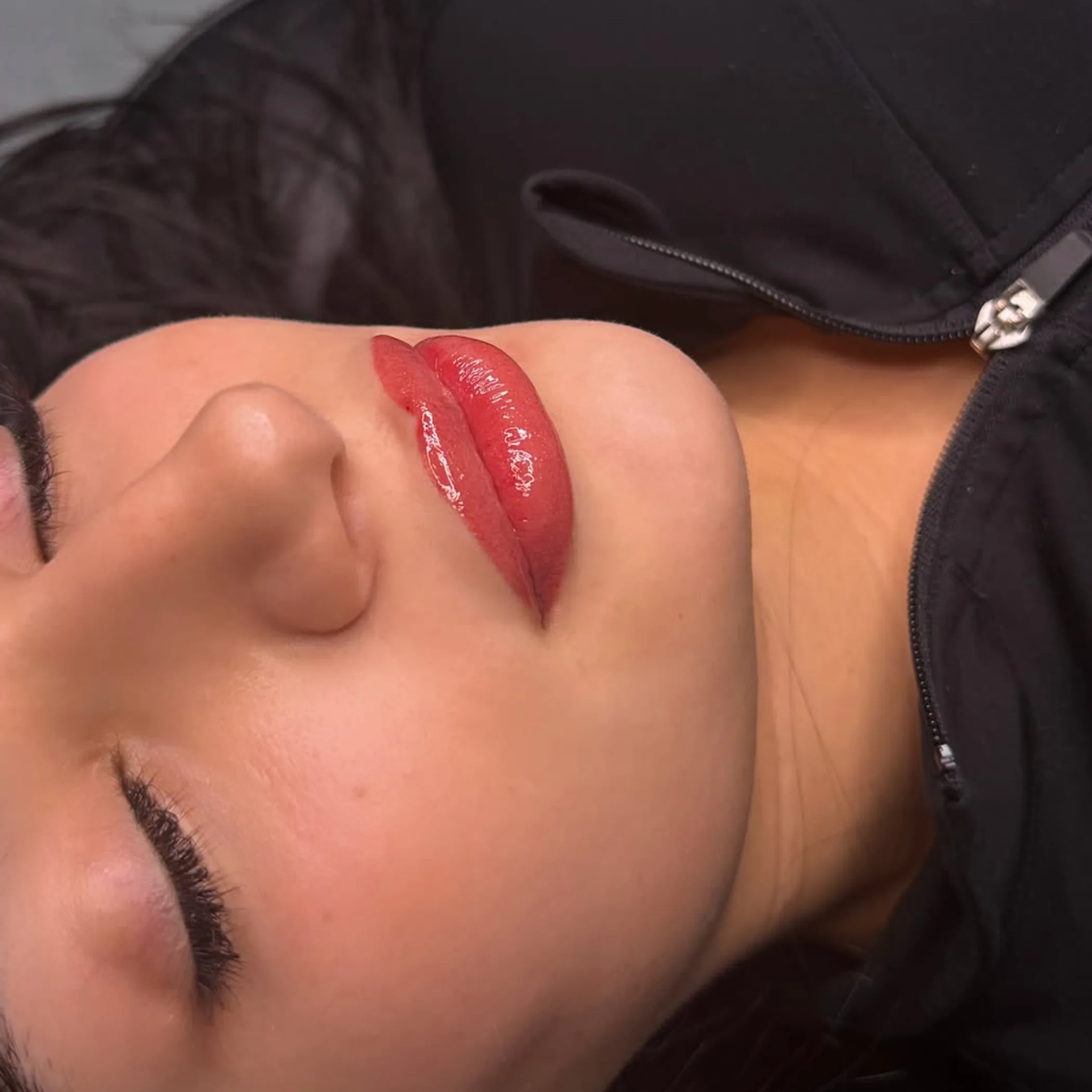
Before you put an opening date out or take any deposits, run through this. It is only a guide to the essentials and the council could want more proof depending on the procedures and premises at hand.
- Make certain the relevant health authority or council agrees on the service classification.
- Have all the permissions in order for the premises, from planning and building to landlord and home-business.
- See to it that infection-control and cosmetic tattoo training is done.
- Put in writing your procedures for sterilisation, disinfection, cleaning, hand hygiene and the handling of sharps.
- The device and procedure will dictate where sterile, single-use needles and cartridges are to be used.
- Consent forms, aftercare and medical history documents need to be ready.
- Dispose of clinical and sharps waste in a compliant way.
- Keep records of product batches, incidents and treatments in a secure place.
- And put in place insurance that has cosmetic tattooing written into its coverage.
- Check on any restrictions for advertising and health claims under consumer law.
Do not be caught with a bill for compliance after the keys have been given over; factor it into the launch costs of your PMU studio. Set aside a few weeks for the inspections and any fit-out matters the council may raise, though the time frame is a matter for the local authority and the state of the premises.
What Most Get Wrong
Training is often mistaken for the entirety of one’s legal obligations. It is good for showing competence but the business will require registered premises, the right facilities, insurance, records and so forth.
Then there is the error of taking another state’s checklist and making it your own. A studio in Perth, Melbourne or Brisbane may be putting ink in eyebrows but the registration process and what the council expects of them is not the same. Let the experience of others be a prompt for questions, nothing more.
Reality and Expectation
You might think the certificate is all you need to open. In fact the course will be over before you have the council’s blessing and have seen to the documentation and inspection.
Cosmetic tattooing is considered low risk on account of being cosmetic. But the skin is broken and there is potential for bleeding, scarring, pigment issues or an outcome the client is not happy with. Conservative treatment and robust consent are what will protect the business and the client.
Not every client is looking for the boldest result. The facts are that outcomes will be influenced by skin type, lifestyle, medical history and the colour you have healed with. A good artist will be forthright about limitations and put his foot down if the risk is not worth taking.
The Right Path For You
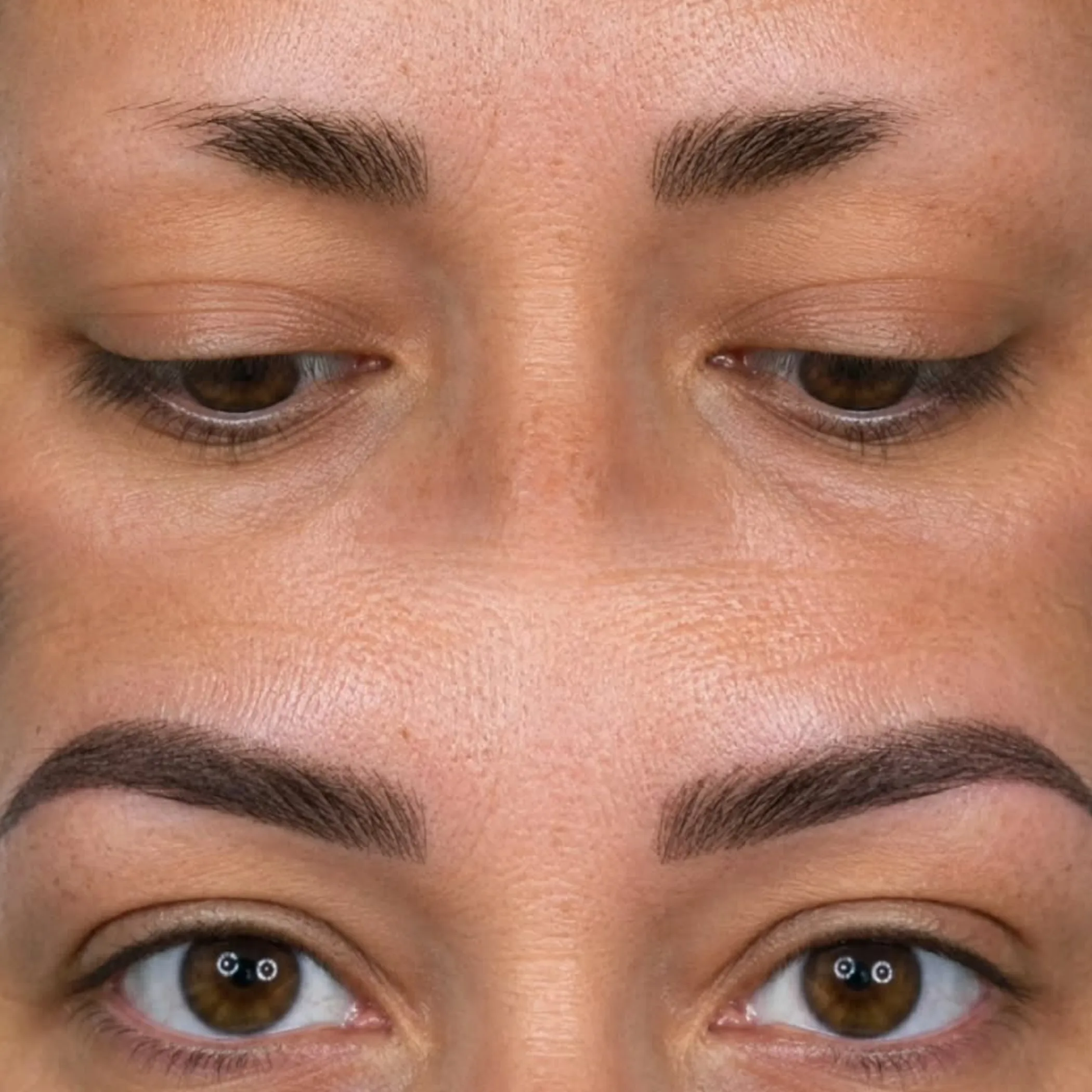
Artists in the process of setting up a mobile service or a studio, be it at home or fixed, will find this information to hand. Those yet to put pen to paper on a lease or who are running the numbers on launch costs can make use of it when weighing up premises.
But for a novice looking to have clients in the door tomorrow, this alone will not do. One must see out some recognised training and, where one can, get in some supervised practice. It is also incumbent on the beginner to know the contraindications and what the local rules are before putting hands to a paying client. And if there are health issues at play, a referral to a health professional is in order, not a cosmetic fix.
One Day To Make Your Launch Happen?
Make the call to the council your first order of business and get the premises classified. Put four questions to them: does this address allow for cosmetic tattooing, what licence or registration do I need, what standards for fit-out and inspection are in force and what evidence do I have to put forward?
Put together a risk file for the treatment at hand. There is no point in the day being spent over a logo while you are in the dark as to the sink or sharps bin or how to register. The logo will be there; contaminated waste will not wait.
Compliance In A Nutshell
In Australia the regulations for cosmetic tattooing are a matter of the state or territory, the council, the exact service and the premises. The surest way to go in any of the eight jurisdictions is to sort out classification and premises approval at an early stage, have your training in place, run tight infection control and keep your records of product and clients in order.
Then again, administrative requirements have a way of changing so it is wise to check in with the authority before you open up or put on more room. An ordinary beauty room needs less planning than a compliant studio but in the end it is what will stand up to the first inspection and ensure consistent results for the client.
Some Questions Asked
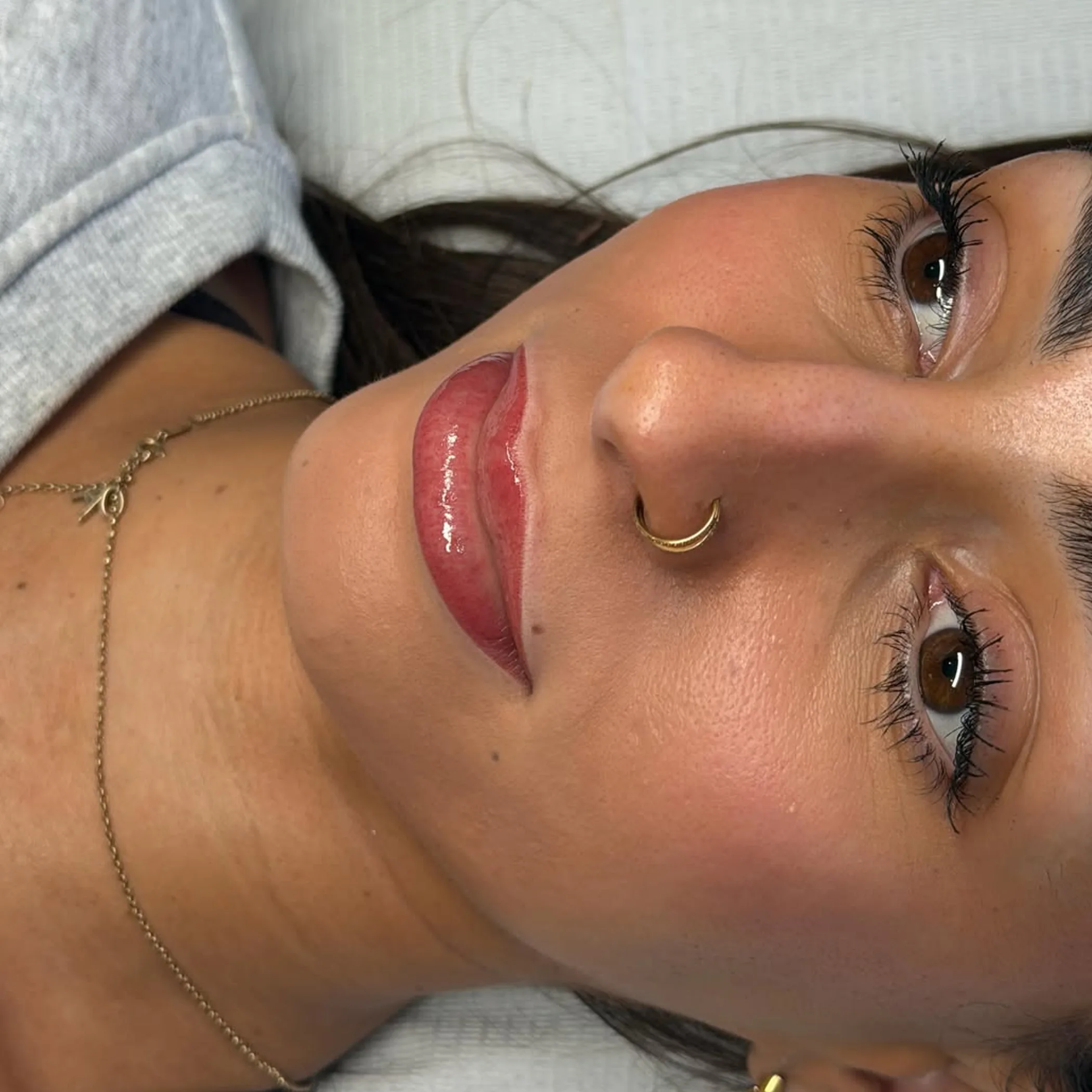
Is it legal in Australia?
It is, though regulated. Training, infection-control and the like are called for, as is approval of the premises. What is required will vary with the jurisdiction and procedures.
A national licence?
Not as such. You will not find a single licence from the federal level to circumvent the state or council. Check with the authority in the area you are to work; a move interstate could mean starting afresh with the assessment.
Will a certificate see me as compliant?
Not of itself. It is proof of training but does not give the nod to your business or premises. Council registration, insurance, waste arrangements and the rest may still be on the list.
Home studio?
You might be able to, but there are public-health and building considerations, not to mention strata or landlord rules. Do not put the word out until you have asked the council. A spare room does not make a lawful treatment room.
What to look at prior to opening?
From the procedure classification to the consent and aftercare paperwork, insurance and your system for keeping records. Also the hand-washing facilities, sterile consumables and disposal of sharps. Regulations are subject to change so verify the position right before you open.