There is a blunt fact to confront when preparing for the Australian outback in 2026: the bush travel is not forgiving. One can get away with haphazard packing and loose timing on a coastal road trip, but you are on different terms once you head into the Red Centre or Top End, western Queensland or the Pilbara. Make an error with your tyres, your weather window, communications or supplies and what was meant to be a good time will turn rough as guts before you know it.
I am Connor Bellamy. The short answer to how to put yourself in the right position for the outback is to overprepare the vehicle, have more water on hand than seems necessary, plan a conservative route and pick your season. Then make no assumptions about reception; it will be gone well before your confidence has left you. It may not read as well as the brochure but it is the way to come and go without losing your sense of humour.
The Right Mindset
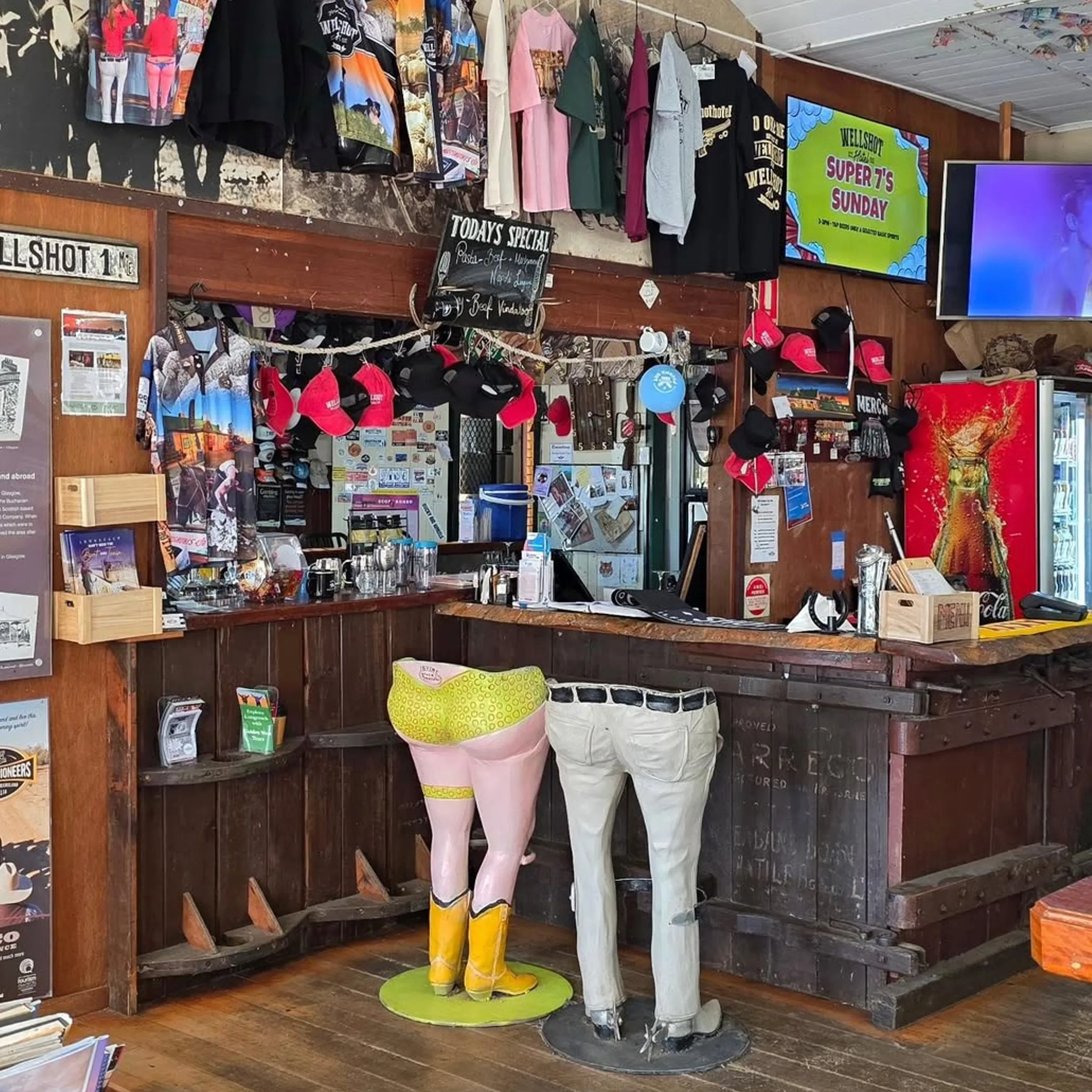
A steady traveller is better served by an outback trip than one looking to be a hero. Forgetting about the latest gadget and coming to terms with the reality of longer delays, greater distances and help being further off is the best kind of preparation.
Ordinarily it is not some spectacular failure that gets people. You will see it in the accumulation of small things: a late start, pushing too hard on corrugations with the tyres, not enough water, pressing on because the map says it is close, or a belief the servo will be there waiting. “Close” in these parts can be a few hours of dust and a run of the mill pie at the roadhouse.
Timing Is Everything
Travellers do not always appreciate how much the season dictates your experience. It will determine if you are camped under the stars or trying to keep mozzies off while your esky sweats, and it affects heat safety and access.
Shoulder months tend to be more amenable in inland Australia. Up north you can have your plans scuppered in no time by wet season rain, cyclones and the like. In central Australia the summer makes of sightseeing what amounts to unpaid labour.
Regional Quirks
Do not think of the Northern Territory or northern WA as having a tidy four seasons; they are governed by wet and dry. The wet means humidity and storms and roads you cannot use. The dry is dependable for getting around, if a bit more expensive and crowded in favoured spots.
Rain can change the character of the Gulf country and inland Queensland in a hurry. A road open last week is closed today. My advice is to consult the Bureau Of Meteorology weather forecasts and warnings for any warnings or forecasts prior to leaving and while you are on the road.
Uluru
One is right to look for the mildest days and easiest driving to Uluru. The cooler shoulder months are easier for a long day of camping and walking than the exposed heat of mid-summer which will be the main event whether you like it or not.
Let us be plain about it: Uluru is more than a postcard and a sunrise. Accommodation, the roads and the comfort of a day out are all better when you let the seasonal weather dictate your visit and not your annual leave. With only a day to spare, put in for the base area walks at first light or wait for sunset, do not try to do both and put in a big drive as well.
Sensible Routing
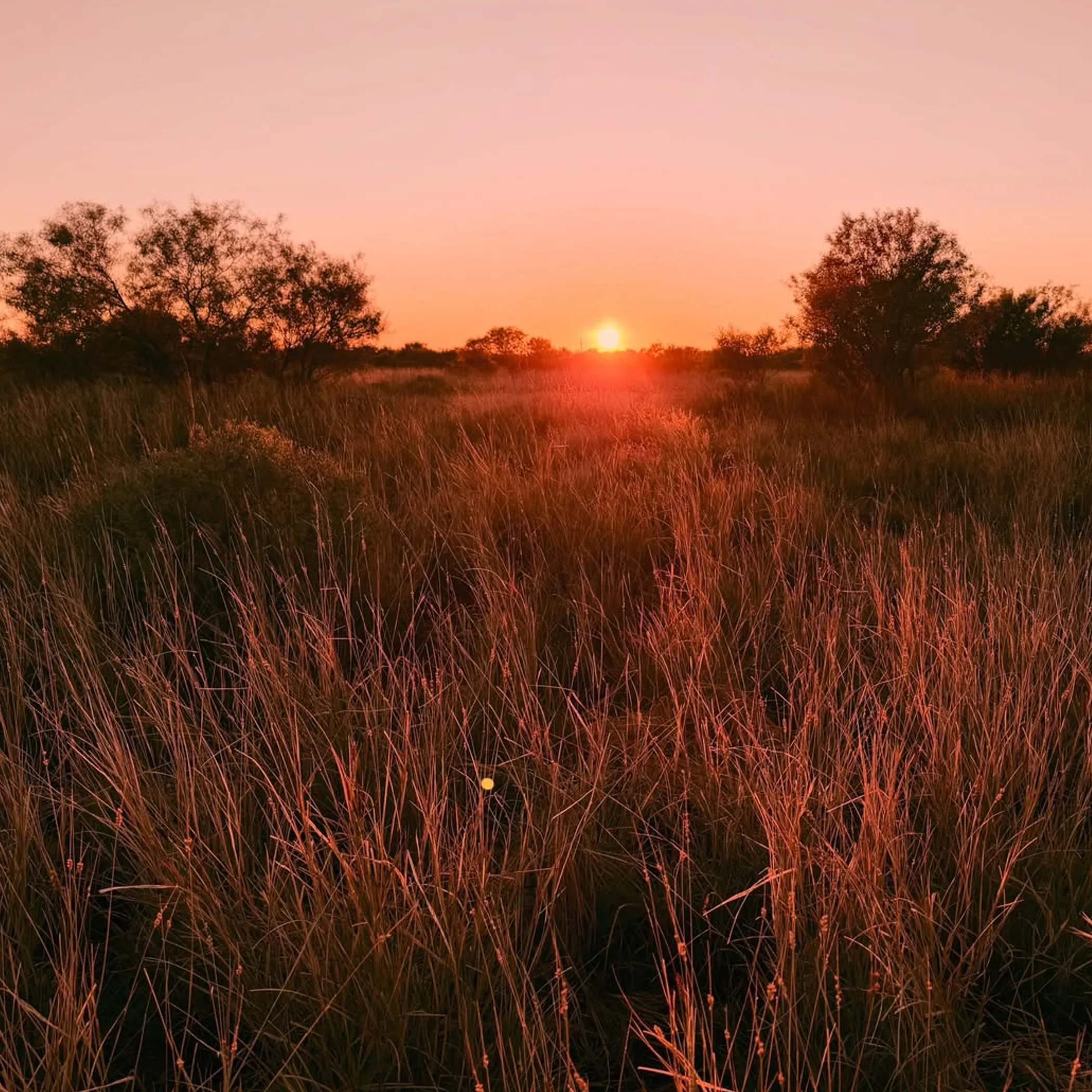
Some of the dumb decisions made at 4.30 pm with the next town still far away could have been avoided with a little forethought. I have a rule: a route that is ambitious on paper will prove itself after you have dealt with the road works, photo opportunities and a caravan holding you up at 72 km/h.
Remote travel does not tolerate vagueness. Plan your daily limits and have a fallback, working from the conditions and where you can put in fuel rather than the destination on the headline.
Make sure someone who would notice puts your trip plan on file. Give them the date you are off, the roads you intend to take, vehicle and passenger details and the overnight stops. Tell them when to make a fuss if you have not been in touch. The error of most is to have one version of the plan for a cousin, another for an uncle and yet a third for someone else. Make it simple: put down one unambiguous document and if you need to alter course, put out an update when you can get a signal.
Permits And Access
You will find remote travel permits are a matter of region. Formal permission or pre-booking is called for in certain national parks, on desert roads and camping grounds, and for Aboriginal land access. Do not be under the impression that a track which appears public is open to all.
Well in advance of any foray into the Northern Territory, the country around the Cape in Queensland or Aboriginal land of a remote nature, make sure you have your permits in order. For some route logic you might turn to Tri State Safaris and other tour operators or put some stock in planning from Australian Geographic, Outback Pathways, StreetSmarts of the Queensland Government, Rebecca and the World and Adventure and Sunshine. But should conditions warrant, let the official word from government or the park stand over all others.
Prepare Your Vehicle Properly
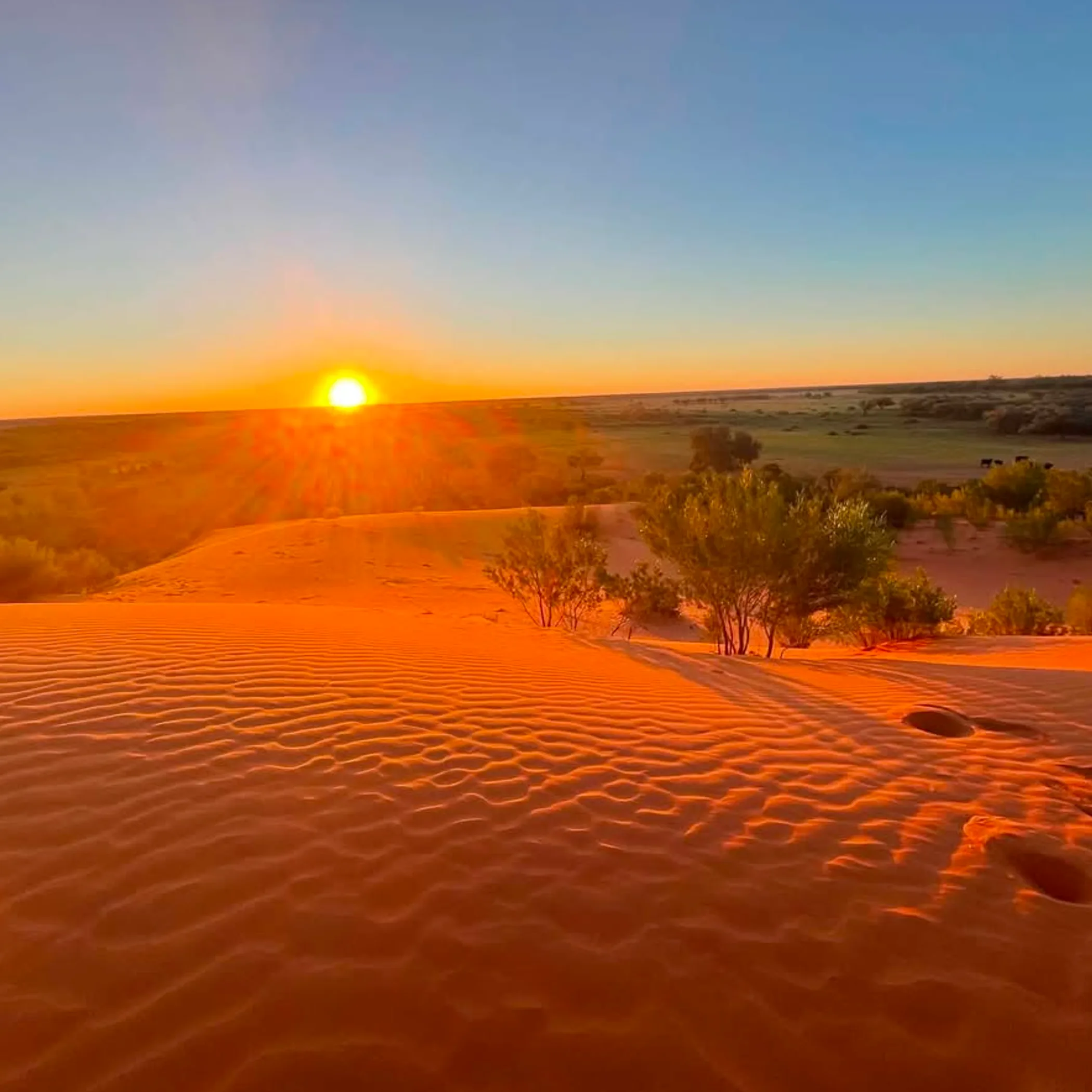
There is not much to separate a good story from a recovery bill to make you wince but your vehicle. Even on the major highways where you may be content to stay, the heat, rough surfaces and sheer distances will show up any shortcomings.
Not every route warrants a full 4WD outback makeover, but the road and your vehicle have to be an honest match. You are not on the Gibb River Road or some station track with heavy corrugations when you are on a sealed run of the Stuart Highway.
Check The Boring Stuff First
All the glamour of the gear is beside the point; neglect of the basics is what brings grief. If there is any question as to the cooling, tyres, suspension, battery or brakes, or it is time for a service, have it looked at before you leave.
Pay particular mind to your tyres. Look at the condition, pressure and age of the tread and make sure you have a spare that is fit for purpose. In the right sort of country two spares is the sensible option. On long stretches of gravel a tyre compressor is a must if you intend to put off punctures and put in a little comfort by adjusting pressures.
Recovery Gear
Any remote travel, no matter how modest, calls for the right equipment. Not in the sense of lashing on like armour every bright new thing in the 4WD store, but to have what you can put to use.
- A jack, wheel brace and spare that are for your vehicle
- Tyre compressor and repair kit
- Jumper leads, torch, engine fluids, tools of a basic kind
- Recovery gear appropriate to the route
- Jerry cans provided they are mounted safely and you have a need for them
“Just airing down a bit” used to sound to me like one of those bush sayings without meaning until I was on some corrugated roads and saw the sense of it. A car will rattle like a cutlery drawer on a cattle grid if the pressure is wrong; set it right and you have a better ride and less chance of a puncture. It does not give licence to go any faster though.
Water, Food And Fuel
Do not base your fuel and water on perfect progress. If the scheme only holds water when every kilometre is on schedule and the roads are dry and every stop is open, you have drawn a hopeful sketch, not made a plan.
For the 2026 outback packing list start with the non-negotiables: drinking water, something to put off the sun, food that will stand up to the heat and a back-up on fuel. Hydration is paramount, the fancy camp gadgets can wait.
How Much
Be sceptical of anyone who would have you believe there is a legal magic number that applies across the board. A workable rule of thumb is to have enough for an unlooked for delay and for drinking and some food prep, then put in a margin. The more isolated and hot the going gets, the wider that margin ought to be.
With fuel, put aside the figures in the brochure; once you have loaded the roof rack and camping paraphernalia and put in the passengers they are pure fiction. Work out what your vehicle really uses under load and allow a buffer for headwinds, sand, idling at roadworks and the like.
| Planning Item | Practical Rule | What Catches People Out |
| Water | Have enough for the day and a margin to boot | Assuming you will find potable water at the next stop |
| Fuel | Go by what you actually consume with a buffer and do not count on the bowsers being open or ignore the detours | Ignoring corrugations, detours and closed bowsers |
| Food | Some shelf-stable meals in reserve | To find the pub meal is not on |
| Ice And Fridge Room | Leave room for re-supply | Overdoing the drinks at the expense of food |
| Cooking | Simple and quick | A full kitchen that sees no use |
Stay Reachable And Safe
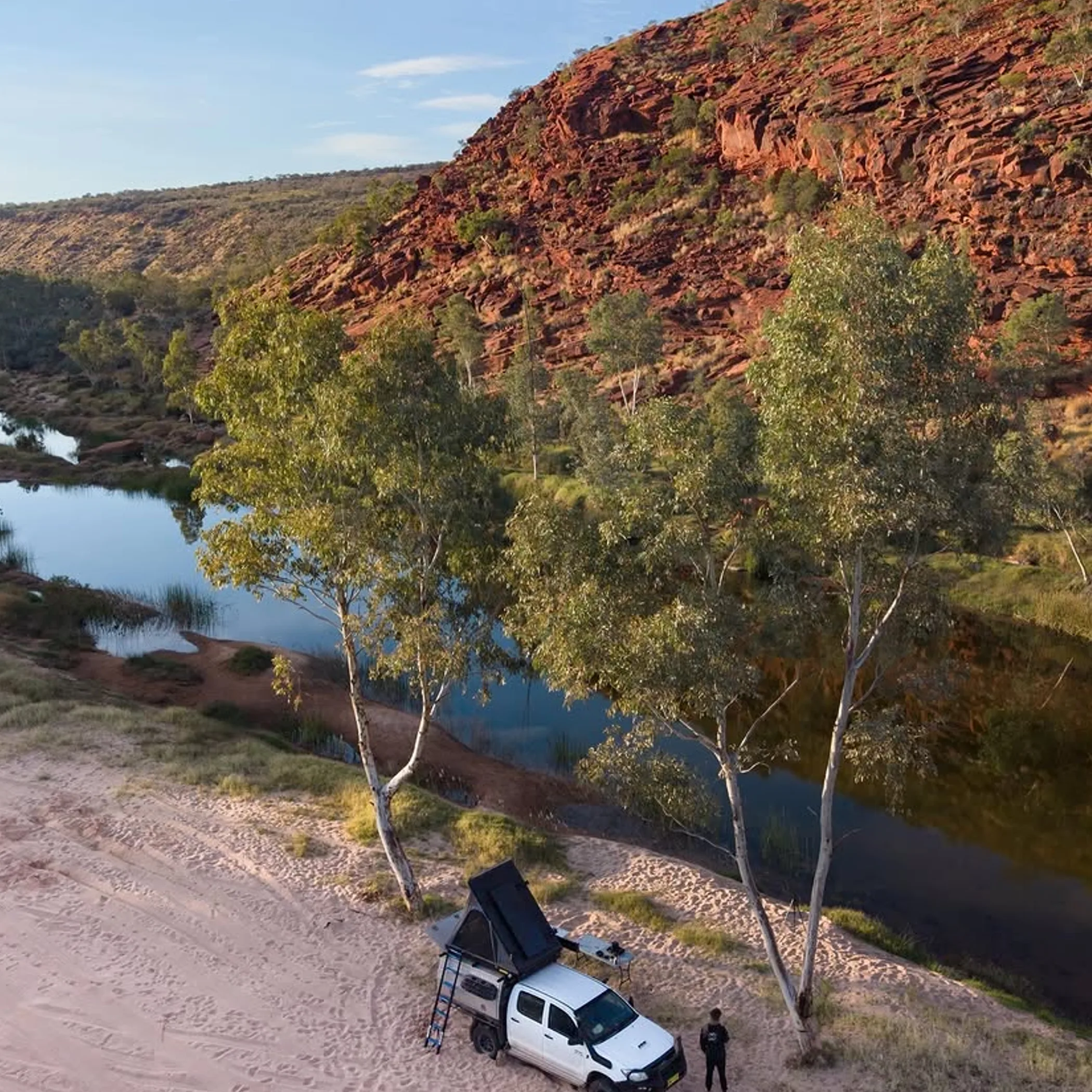
In the Australian outback one is accustomed to reception lapses. The sensible thing is to accept you will be out of contact at times and put a safety system in place accordingly. Here is where the usual advice on outback safety ceases to be theory.
Your mobile will serve you well enough in town but is of no use in an unforgiving valley or plain, or if you are fifty kilometres over a ridge. For anything outside the well-serviced corridors, have some form of communication in reserve.
Emergency Comms That Matter
For remote travel a satellite phone is hard to beat when it comes to dealing with mechanical or medical problems or for a word with the family. A PLB is another matter; reserve that for life-threatening situations and not because the ute has bogged and lunch is running behind.
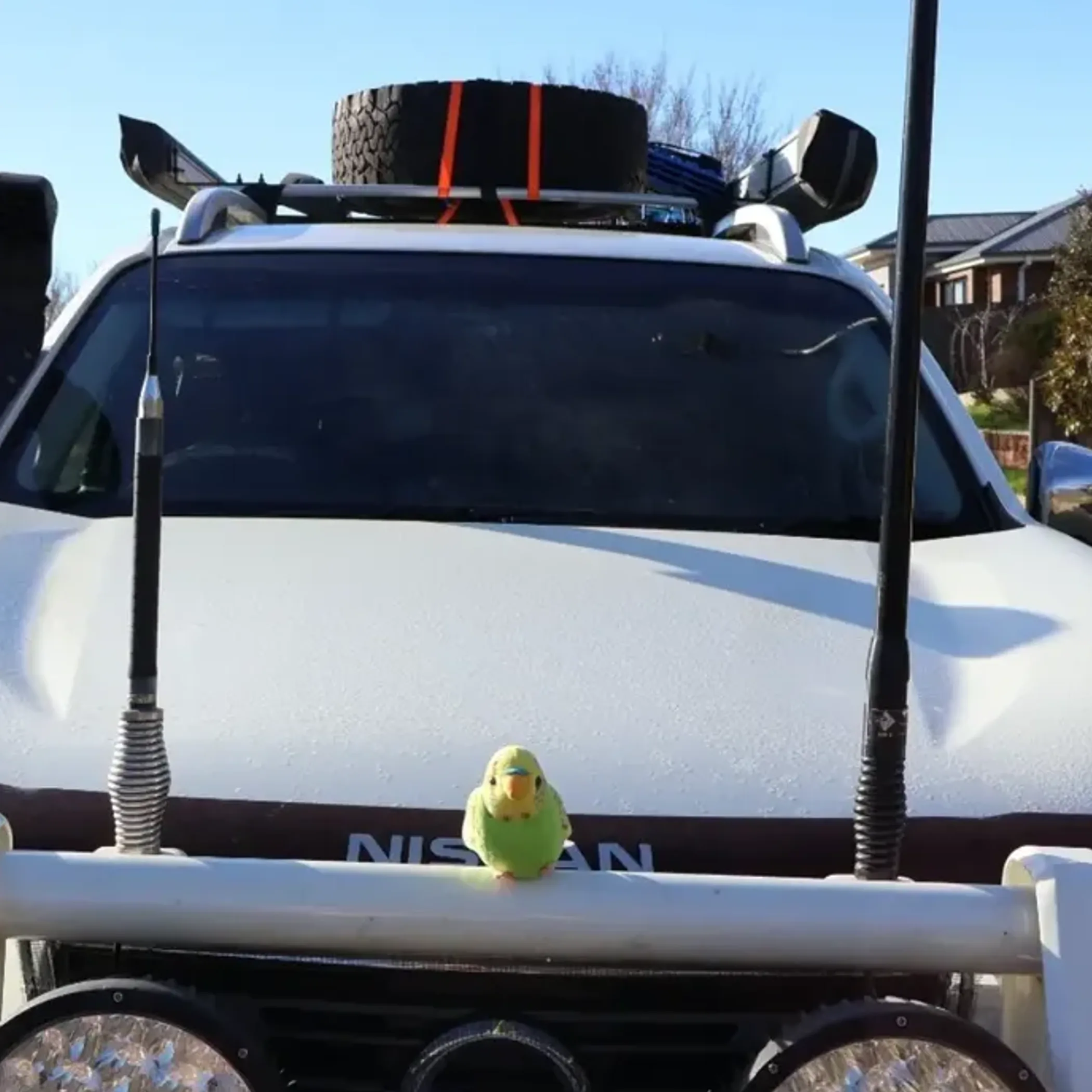
Then there is the UHF CB radio, good for road trains and any traffic you might come across on a back road. Do not mistake it for a rescue system however, its range is limited.
Medical And Heat Readiness
You want a first aid kit to hand, not some old pouch from the glovebox with a hard mint and two band-aids of unknown origin in it. Put in your medications, electrolytes, wound care and snake bite bandages as the case may be, and whatever the travelling party requires.
Visitors tend to underplay the heat. After an air-conditioned drive you may be tempted to put in some walking around the gorges or dunes and find exhaustion setting in quicker than anticipated. Make no effort to get through the worst of the day simply because you have reached the car park. Get some shade, put on cover and have a drink.
Drive To Arrive
There is no room for ego in remote driving, only patience and space. The sort of incidents you see on television are rare in the outback. More often it is a tyre gives way, a bit of fatigue, a wildlife strike at dusk or someone with city ways on an unsealed road.
Confidence is not the same as being competent and the bush is indifferent to the former. It is your judgement, speed and tyre pressure that count.
Road Trains, Wildlife And Gravel
Let the road trains have their headroom and more. They will not stop on a coin and they put dust and stones in the air. When one is coming up, slow down and be predictable.
Cut your speed on the unsealed bits ahead of any corner or bulldust. Sudden moves with the wheel or brake are asking for it. As for kangaroos and cattle, they are more of a problem at night or first light so try to avoid driving then.
The Quiet Problem Of Fatigue
It is not glamorous but driver fatigue is a risk to be taken seriously. On a road as flat as a pancake the monotony can get to you and before you know it your attention is gone.
Caravanners will tell you about the 3-3-3 rule: make an early start, call it a day by 3 pm and put in three nights in one spot if you can. Not every trip will fit the pattern and it is not written in stone, but it is sound thinking. Do not make a slog of every leg.
Sleeping In The Remote
An overnight stop should be given some consideration. You cannot just pull over anywhere; local rules or land tenure may preclude sleeping in the car in some spots while in others it is fine in designated areas. See what the conditions are, do not go by the word of some bloke with a tinnie at the pub.
And legality is not always synonymous with common sense. An area by the side of the road with heavy vehicles and little shade is hardly comfortable. You would be better off putting money down for a bush campground with a dunny and some elbow room.
Who Should Be Doing This
Patient drivers, a capable family or couple, a photographer or camper who is content with an activity or two in a day will find this type of travel to their liking. Not so much for those who need to be in constant contact or like to pack in twelve things a day.
If you have but a day in an outback region, leave the heroic loop for the bragging rights. Select a section that is in good order and easy to get to, make an early exit and be back by dusk. A beginner would do well to start on the major sealed roads where one will find roadhouses and accommodation of a sort.
An Honest Appraisal of Cost
One has to budget with care; between the fuel, permits, tyres, camping, food and what you need for backup, the outback has a way of being costly. And as costs are at the mercy of the season and the route, take any number put forward as an estimate for planning purposes, not as some kind of gospel.
Will AUD 3,000 see you through two weeks in Australia? On a sensible outback road trip it can, for one or two people, provided you keep vehicle costs in check and mix your camping with other lodging. But put in some long detours, cabin stays, tours and the like, and you will find the money gone in no time.
Some Planning Figures
For a couple or a soloist on a budget who is self-catering and camping, expect to put down anything from AUD 150 to 300 a day, more or less, for the food, park fees and distance driven. Go mid-range with paid accommodation and for two it will be in excess of AUD 300-500 daily. Have a contingency fund on hand, a cracked windscreen or a tyre going will otherwise wreck your budget.
Then there is the question of whether AUD 1,000 is sufficient. For a short, tightly run affair on sealed tarmac perhaps. To go remote in the outback it is a thin margin, with the kilometres alone having the potential to eat into your funds.
A Final Checklist
The approach should be obvious by now. Preparing for travel in the Australian outback in 2026 is not so much a matter of amassing gear as it is of mitigating risk you can do something about. Connor Bellamy would prefer an over-boring plan and water left unopened to a tale of woe with a cooked radiator because a fuel stop was missed.
Consider this your final pre-departure filter for a straightforward outback trip.
- Start with the season, then put the route in place.
- Make sure the vehicle is serviced and have a look at the tools and tyres (spare included). Verify the state of the roads and any access rules or permits required.
- Your supplies should include a margin of fuel, water and food, and only the jerry cans you have a need for. As for comms, a UHF CB radio if it is of use, a satellite phone and a PLB in case of a true emergency are to be had, along with a first aid kit.
- Put your plans before a contact you can trust. Do not drive at night, be on the alert for flooding and put an end to driver fatigue before it becomes an issue.
- In the busy times, particularly on the dry-season routes to Uluru, have your key stops booked.
FAQ
Is it legal to sleep in your car in Australia?
Not in all places. You will find it hinges on the land type, the state, council area and any signage indicating an overnight spot. Out in the remote country, what is safe and locally acceptable is as important as what is legal, so do not make it part of the plan without checking with the council or park.
What of the 3-3-3 rule when caravanning?
More of a guideline than the law: three hours on the road, in by 3 pm and three nights in one place if you can. It is for the sake of pacing and to stave off tiredness. The numbers are less relevant in the outback than the principle.
3000 AUD for 2 Weeks in Australia?
Potentially. The base is what counts. For a pair or individual on a moderate course with basic meals and camping in remote Australia, it can be done. Not if you are shelling out for long distances, tours and regular accommodation.
1000 AUD for a Road Trip?
On a short, sealed road trip with modest mileage, yes. An outback venture with its attendant safety gear and fuel demands is another matter; unless you already own most of your equipment and the trip is brief, 1,000 is usually not enough.
Outback Packing List 2026
Water, sun protection, the essentials for the vehicle, communications, first aid, bedding, lighting, navigation and food to fall back on. Pack in that order. People tend to err on the side of too many comfort items and not enough of the practicalities, a shade-ready piece of clothing or a recovery set and tyre compressor for instance.
Further reading: best times for Uluru.